Attic work after wildlife activity
Attic Insulation Removal & Installation
When wildlife has been living in an attic, the insulation usually shows it. Little Wolf inspects the space, removes affected material where that is warranted and installs new insulation once the attic is ready for it.
What sets the scope
- Extent of activity
- How much of the attic is affected, and whether the activity was concentrated or spread out.
- Insulation type
- Loose fill, batts or layered material from different eras.
- Attic access
- Hatch size, headroom, truss spacing and how material can be moved out.
- Open access points
- Whether wildlife access to the space still needs to be addressed first.
- Conditions found
- What the inspection shows in the space itself.
The material
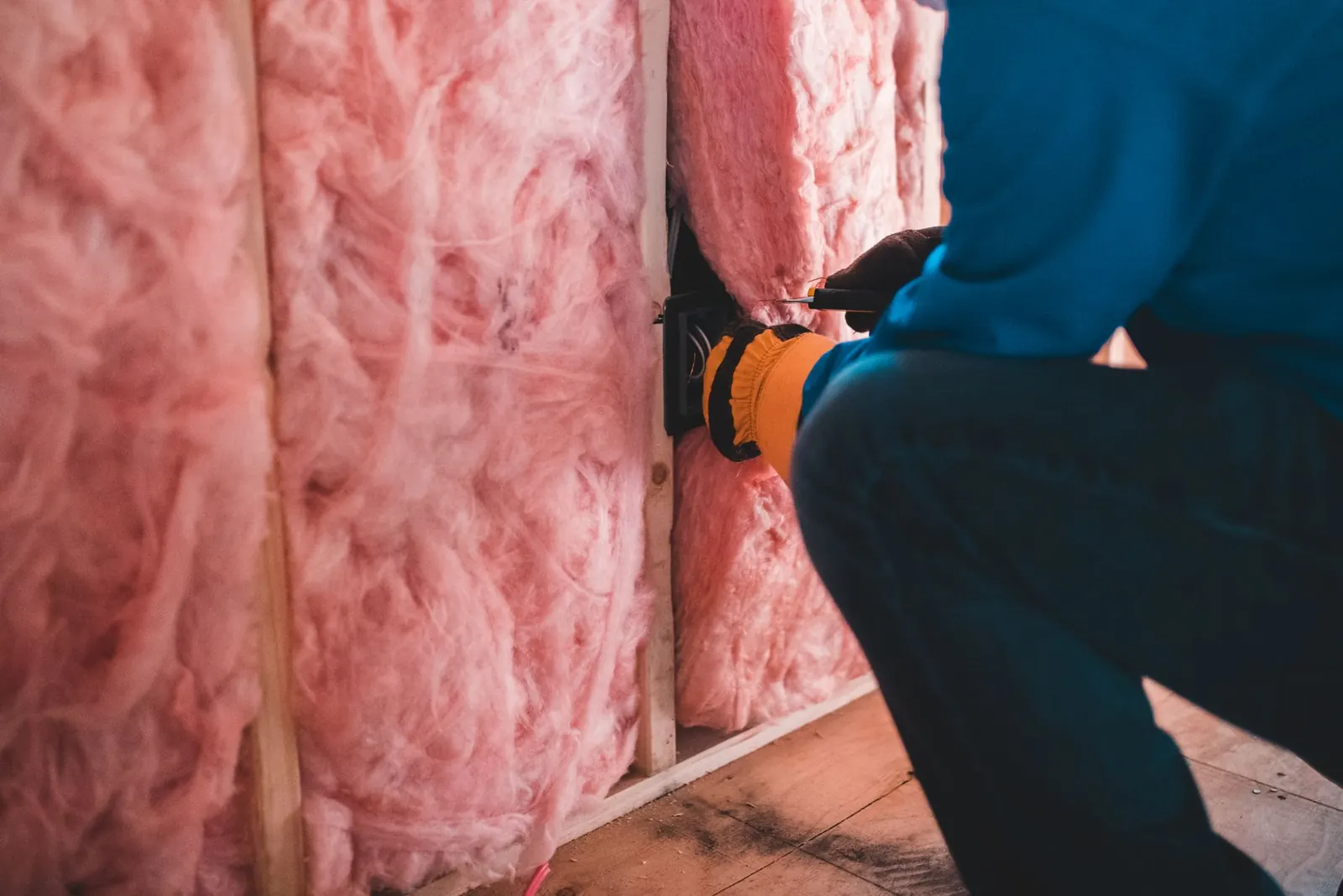
Insulation is handled as material, not as a product line
Attic insulation is bulky, dusty and awkward to work with. Removing material that has been compressed, tunnelled through or soiled means bagging and carrying it out of a space that was never designed to be worked in.
Installation is the same job in reverse: coverage, depth and containment matter more than brand, and the attic has to be ready before any new material goes back down.
Attic conditions
What wildlife activity does to an attic
Attics are quiet, insulated and rarely visited, which is exactly why animals use them — and why the condition of the space is often a surprise.
- Compressed insulation
- Repeated travel through an attic flattens insulation along the paths animals use most.
- Displaced material
- Insulation pushed aside, piled or pulled away from the areas it was installed to cover.
- Tunneling
- Runs and channels formed through loose-fill material, often following joist bays.
- Nesting areas
- Concentrated pockets of gathered material where animals have been living in the space.
- Soiled insulation
- Material affected by prolonged occupancy in the areas where activity was concentrated.
- Related damage
- Disturbed vents, chewed material and openings that show how the space was being used.
Inspection first
The attic tells you what happened and how far it went
Before anything is removed, the space is looked at directly: where activity was concentrated, how the attic is built and whether wildlife still has a way in.
That inspection is what makes the scope honest. It separates an attic that needs limited attention from one where broader removal and reinstallation makes sense, and it shows whether exclusion work should come first.
It also sets expectations before the work starts. Access, headroom, framing and the type of insulation already in the space all affect how the job is carried out.
The work
Removal, preparation and installation
Three stages that only make sense in order, and only after the attic has been inspected.
- Removal
- Affected insulation is taken out of the attic space, working around the way the attic is framed and accessed.
- Preparing the space
- The attic is prepared so new material can be installed on a sound, even surface rather than over old conditions.
- Installation
- New insulation is installed where that work is appropriate for the attic and what was found in it.
Connected work
Insulation work and exclusion belong together
New insulation in an attic that animals can still reach puts the same material back in front of the same problem.
Where the inspection shows active or likely access at the roofline, soffits, vents or gable ends, that is addressed as part of the plan — not treated as a separate concern discovered later.
Our approach
How Little Wolf approaches attic work
The order matters more than the packaging. Each stage depends on what the one before it found.
Attic inspection
Look at the space itself — what is present, where activity occurred and how the attic is built.
Access addressed
Where wildlife is still using the structure, that comes before insulation work.
Removal
Affected material is removed from the attic space.
Preparation
The space is prepared so new insulation can be installed over a sound surface.
Installation
New insulation is installed where that work is appropriate for the space.
Attic questions
Questions homeowners ask about attic insulation
Answers here are general. What applies to your attic depends on what the inspection finds.
- Does wildlife activity always mean insulation has to be replaced?
- No. It depends on how much of the space was affected and what the inspection finds. Some attics need work in limited areas, some need broader removal, and some are best left alone once access is addressed.
- Why remove insulation instead of adding over it?
- Adding material over compressed, displaced or soiled insulation covers the condition rather than resolving it, and the new material generally will not sit or perform the way it should over an uneven base.
- Should exclusion happen before insulation work?
- Usually, yes. Installing new insulation in an attic that wildlife can still reach means the same conditions can return. Access is addressed first where the structure calls for it.
- How long does attic insulation work take?
- It varies with the size of the attic, the amount of material involved and how the space can be accessed. The scope is discussed after the attic has been inspected.
- Can you tell what was in the attic from the insulation?
- Often the space gives useful signals — travel patterns, the size and shape of disturbances, nesting locations and damage at entry areas all help describe what was using the attic.
- Do I need to be home for the inspection?
- Attic access is needed, so arrangements are made with you directly. Where the attic hatch is and what is stored around it are worth mentioning ahead of time.
- What kind of insulation gets installed?
- That depends on the attic, the existing construction and what is appropriate for the space. It is discussed before work is scheduled rather than assumed.
- Is attic work only related to wildlife?
- Little Wolf's attic and insulation work is focused on spaces affected by wildlife activity, which is where inspection, exclusion and insulation naturally overlap.
Related services
Related Little Wolf services
Wildlife has been in the attic?
Tell us what you have seen in the space and we will start with the inspection.
- Phone
- (315) 924-6798
- Based in
- Penn Yan, NY